



Navajo Nation Police Department
Intense rainstorms linked to a very active El Niño-driven Pacific hurricane season have left thousands of people in the Four Corners states displaced.


-
 Voters heading to the polls in Sunland Park should expect to vote on some ballot questions in addition to voting for officials.
 -
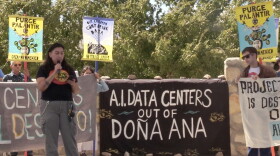 Grassroots organizations from across the state held a rally against AI Data centers. Youth United for Climate Crisis Action hosted a multi-day gathering to unite and educate data center activists.
 -
 Doña Ana County Board of Commissioners District 3 forum followed by the U.S. Senate forum.
 -
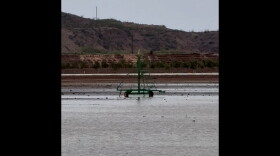 Doña Ana County Emergency Manager Amanda Bowen spoke with multimedia reporter Noah Raess to provide an update on relief efforts after flooding and evacuations gripped the county in late September.
 -
 Bob Moore, El Paso Matters President and CEO, covers top stories each week.


-
 Heavy rain since Wednesday has stranded people on rooftops and led to hundreds of rescues, including some by helicopter.
 -
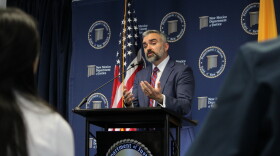 Jurors in September found Meta liable for over 43 million violations of New Mexico consumer protection laws for making misleading public statements about how it handled users' personal data.
 -
 The Lindner Center of Hope wrote in an X post on Sunday that Talarico “has never received treatment” from the facility. Talarico replied to the post, saying, “I've never even been to Ohio.”
 -
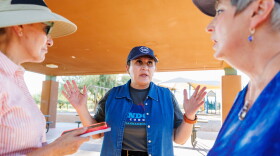 The path to a U.S. House majority runs through heavily Latino districts in states such as Arizona, Colorado and Texas, where Democrats are counting on disaffected Trump supporters to swing back their way.


-
 Flávio Bolsonaro leaves Brazil for the U.S. amid a money-laundering probe, as Washington agrees to issue visas to him and his family.
 -
 Israelis voted in their highest numbers in over two decades in a tense national election to decide whether to stick with Prime Minister Benjamin Netanyahu's far-right coalition.
 -
 The highly anticipated, latest installment of Sarah J. Maas' romantasy series has hit the shelves. Hardcore fans were lined up (in their faerie ears) at the stroke of midnight.
 -
 A federal judge has barred the government from clearing more trees or making other alterations to D.C.'s East Potomac Park without proper notice. Trump says his administration will appeal.
 -
 Javier Calvo and Javier Ambrossi have turned four pages of an unfinished play by Federico García Lorca into a sweeping epic that spans 90 years of Spanish history, focusing on the stories of gay men.


October 27, 2026 - PBS News Hour full episode

News Wrap: U.S. providing visas to Bolsonaro and family after loss in Brazil's election

Why Trump's coalition of evangelical voters could be fraying

School principal documents Indonesia's worst wildfires in a decade

Poll gauges voter enthusiasm for both parties a week before election


