



Stephen Fowler
/
NPR
Mississippi has the largest proportional Black population in the country. It's one reason the U.S. Senate race has seen millions in last-minute spending and high-profile campaign visits.


-
 Grassroots organizations from across the state held a rally against AI Data centers. Youth United for Climate Crisis Action hosted a multi-day gathering to unite and educate data center activists.
 -
 Doña Ana County Board of Commissioners District 3 forum followed by the U.S. Senate forum.
 -
 Doña Ana County Emergency Manager Amanda Bowen spoke with multimedia reporter Noah Raess to provide an update on relief efforts after flooding and evacuations gripped the county in late September.
 -
 Bob Moore, El Paso Matters President and CEO, covers top stories each week.
 -
 Scott Brocato talked about the proposed GO Bond with Lynda St. Clair, president of the Friends of Thomas Branigan Library; and Sarah Booth, Deputy Director of the Las Cruces Public Libraries.


-
 Heavy rain since Wednesday has stranded people on rooftops and led to hundreds of rescues, including some by helicopter.
 -
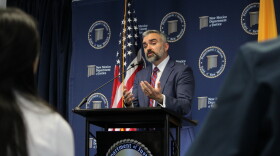 Jurors in September found Meta liable for over 43 million violations of New Mexico consumer protection laws for making misleading public statements about how it handled users' personal data.
 -
 The Lindner Center of Hope wrote in an X post on Sunday that Talarico “has never received treatment” from the facility. Talarico replied to the post, saying, “I've never even been to Ohio.”
 -
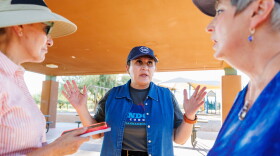 The path to a U.S. House majority runs through heavily Latino districts in states such as Arizona, Colorado and Texas, where Democrats are counting on disaffected Trump supporters to swing back their way.


-
 A federal judge has barred the government from clearing more trees or making other alterations to D.C.'s East Potomac Park without proper notice. Trump says his administration will appeal.
 -
 Javier Calvo and Javier Ambrossi have turned four pages of an unfinished play by Federico García Lorca into a sweeping epic that spans 90 years of Spanish history, focusing on the stories of gay men.
 -
 Brazil's opposition party accepts President Luiz Inácio Lula da Silva's election victory, but Flávio Bolsonaro won't concede, while President Trump calls the vote "rigged" without offering evidence.
 -
 NPR Music culture critic and reporter Rodney Carmichael ruminates on the latest in rap culture. This week: Is the rap mogul's self-selection a crowning achievement or a final affront?
 -
 In Nairobi, a city prone to floods, workers in the "Green Army" are making preparations to prevent disaster when El Niño arrives.


News Wrap: AI giant Anthropic preparing for initial public offering

Candidates enter final week of campaigning with control of Congress at stake

Netanyahu faces Israeli voters in first election since Oct. 7 and Gaza war

Spiritual leaders unite to help keep the peace on Election Day

Tamara Keith and Amy Walter on the midterm outlook and possible redistricting backfire


