



Patrick Sison
/
AP Photo
The AI company, which makes the popular Claude chatbot, has filed for an initial public offering that could be one of the biggest ever.


-
 Grassroots organizations from across the state held a rally against AI Data centers. Youth United for Climate Crisis Action hosted a multi-day gathering to unite and educate data center activists.
 -
 Doña Ana County Board of Commissioners District 3 forum followed by the U.S. Senate forum.
 -
 Doña Ana County Emergency Manager Amanda Bowen spoke with multimedia reporter Noah Raess to provide an update on relief efforts after flooding and evacuations gripped the county in late September.
 -
 Bob Moore, El Paso Matters President and CEO, covers top stories each week.
 -
 Scott Brocato talked about the proposed GO Bond with Lynda St. Clair, president of the Friends of Thomas Branigan Library; and Sarah Booth, Deputy Director of the Las Cruces Public Libraries.


-
 Heavy rain since Wednesday has stranded people on rooftops and led to hundreds of rescues, including some by helicopter.
 -
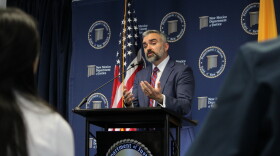 Jurors in September found Meta liable for over 43 million violations of New Mexico consumer protection laws for making misleading public statements about how it handled users' personal data.
 -
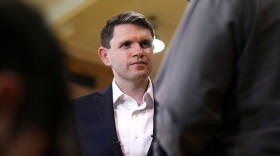 The Lindner Center of Hope wrote in an X post on Sunday that Talarico “has never received treatment” from the facility. Talarico replied to the post, saying, “I've never even been to Ohio.”
 -
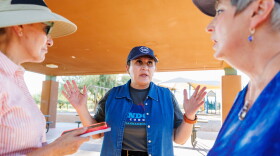 The path to a U.S. House majority runs through heavily Latino districts in states such as Arizona, Colorado and Texas, where Democrats are counting on disaffected Trump supporters to swing back their way.


-
 Kane was followed in the voting by Kylian Mbappé. Spain star Alexia Putellas won her third women's Ballon d'Or. Outside, fans packed the streets and climbed light poles near the London Palladium.
 -
 The NFL, Apple Music and Roc Nation announced Monday night that Jay-Z will be the featured performer for the halftime festivities on Feb. 14 at SoFi Stadium in Inglewood, California.
 -
 The Milwaukee Brewers are one victory from their first World Series title after routing the Tampa Bay Rays 10-1 on Monday night thanks to a trio of young players who have shined in October.
 -
 A localized ceasefire between Ukraine and Russia took effect early Tuesday ahead of a humanitarian mission brokered by U.S. first lady Melania Trump, as missile attacks resumed in Kyiv.
 -
 President Trump campaigned Monday in Mississippi, as he continued a closing midterm rally blitz that has highlighted Republicans' challenges ahead of an election that could drastically shift power in Washington.


News Wrap: AI giant Anthropic preparing for initial public offering

Candidates enter final week of campaigning with control of Congress at stake

October 26, 2026 - PBS News Hour full episode

Tamara Keith and Amy Walter on the House and Senate outlook

Spiritual leaders unite to help keep the peace on Election Day


